3am Stories, 12 August 2026
Two Squeezes
Part me. Part fiction. All love.
3am stories
Two squeezes
2011
The doctor at KKH said the word and she heard it and didn't hear it at the same time.
Autism.
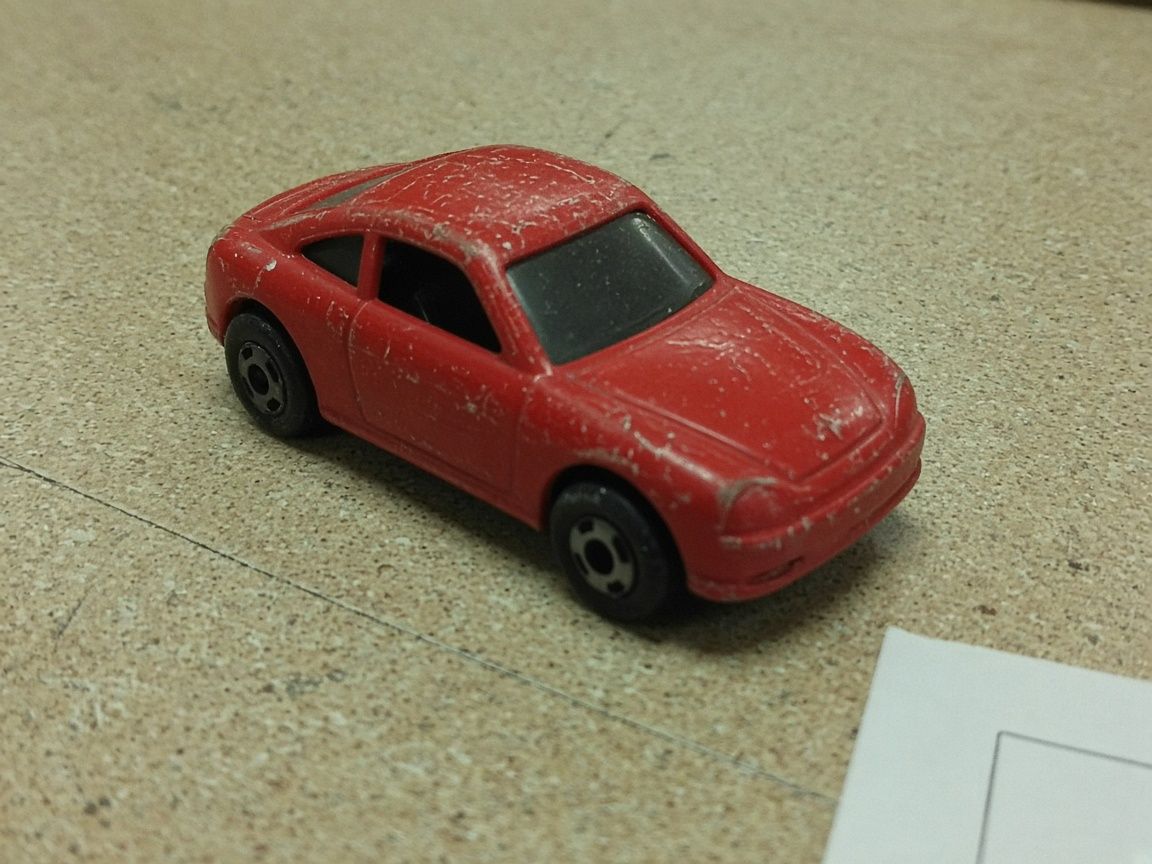
Jun Kai was sitting on her lap. He was 2. He was spinning the wheel of a toy car with one finger, over and over, watching it turn.
He'd been doing it for forty minutes.
He hadn't looked up once.
The doctor was explaining something about a spectrum....
About early intervention.
About therapy and timelines and realistic expectations. She nodded at all of it. She didn't absorb a single word. She was looking at her son's finger on the wheel, going round and round, and thinking: he is perfect. He is perfect and something is wrong and both of those things are true and I don't know what to do with that.
Her husband held her hand under the table. He squeezed twice. Their signal. It meant: I'm here.
2012
He collapsed at work on a Tuesday. Cardiac arrest.
He was 33. The doctors said it was a congenital defect nobody knew about. A valve that had been wrong since birth. He lived with it for 33 years and it chose a Tuesday.
She was at Jun Kai's therapy session when the call came. She answered with one hand. The other was holding Jun Kai's hand through the door of the speech therapist's room, because if she let go, he'd scream.
She heard the words.
She didn't let go.
She held his hand through the entire call. She held it in the taxi to the hospital. She held it in the corridor outside the room where her husband was already gone.
Jun Kai didn't understand what had happened. But he felt her hand shaking. And for the first time in his life, he squeezed it. Twice.
She doesn't know if he meant it the way his father meant it.
She doesn't care. She felt it.
2013
She enrolled Jun Kai in EIPIC at Rainbow Centre. Therapy sessions, parent coaching, exercises to repeat at home. Appointments that decided which shifts she could take. She works part-time at a preschool because the hours match his therapy schedule. $1,800 a month. The rent is $1,200.
She does the maths every night at the kitchen table after he's asleep.
The maths never works.
She makes it work anyway. She drops her phone plan to the cheapest one. She eats less so his meals stay the same. She sells her husband's watch on Carousell. $400. She cried in the toilet after the buyer left.
The speech therapist, Miss Lim, stays twenty minutes after every session. She doesn't charge for the extra time. She says it's because Jun Kai is making progress. But the mother sees the way Miss Lim looks at her, the tiredness, the thinness, and knows the extra time is for both of them.
2015
He said his first word.
"Bus."
They were at the bus stop. The one on Ang Mo Kio Avenue 3. He was 6. He'd been in therapy for two years. Two years of mouth exercises and sound cards and waiting. And one morning at the bus stop, the 261 pulled up and he pointed and said "Bus."
She dropped the bag of groceries. She didn't care. Eggs broke on the pavement. She held his face in both hands and he didn't pull away. He almost never lets anyone touch his face.
"Yes, baby. Bus. That's the bus."
He said it again. "Bus." Then he got on it. He sat in his usual seat. Second row, left side, window. He pressed his forehead against the glass the way he always does.
She sat beside him, holding a bag of broken eggs, crying so hard the auntie across the aisle offered her a tissue and said, "Don't cry, dear. Children always make us like that."
The auntie didn't know. But she was right.
2017
The stares.
She knows them all. The ones on the MRT when Jun Kai makes his sound, the humming that gets louder when he's anxious, the flapping hands. The mother who pulls her own child closer. The uncle who tuts. The teenager who films.
She used to explain. "He has autism. He's not dangerous. He's just overwhelmed." She stopped explaining in 2016 because nobody who stares wants an explanation. They want the noise to stop.
One Wednesday on the bus to therapy, Jun Kai had a meltdown.
Full. Screaming.
Hitting the seat.
She was holding him, trying to keep him safe, trying to keep everyone else comfortable, trying to be small and invisible in a space that was already too small and too loud for her son.
A man stood up from the back of the bus.
She braced herself.
She always braces.
He didn't say anything. He sat down in the seat in front of her, facing forward, and put his hand on the back of the seat so Jun Kai could see it. Big hand. Steady.
Not reaching for him. Just there.
Jun Kai went quiet.
He stared at the hand.
He touched one finger.
The man didn't move. Jun Kai touched another finger. Then he counted them. One, two, three, four, five. Under his breath. The way he counts everything.
The man rode three stops past his own. She knew because he pressed the bell late and looked surprised, like he'd forgotten where he was going.
He got off without saying a word. She never saw him again.
She thinks about his hand every single time she gets on that bus.
2019
Jun Kai can take the bus alone now. Route 261. The loop from Ang Mo Kio Interchange, past his school. Pathlight. He memorised the route in two rides. He's memorised 47 bus routes in Singapore. He can tell you every stop on each one.
The bus is his favourite place in the world.
She stands at the window every morning watching him walk to the bus stop. She watches until the bus comes. She watches him get on. She watches until the bus turns the corner.
Then she goes to the kitchen table and sits there until it's time to pick him up.
2020
Circuit Breaker.
Therapy stopped.
School stopped.
Routine stopped.
Jun Kai doesn't understand why the bus isn't coming.
She became the speech therapist, the occupational therapist, the teacher, the mother, and the father all at once. In a three-room flat. For two months.
She doesn't remember most of April. She remembers May. She remembers the night she sat on the kitchen floor at 2am and cried into a towel so he wouldn't hear.
And she remembers the morning after.
Jun Kai came into the kitchen. He stood there. He doesn't hug. He's never hugged. He stood next to her and put his hand on the table near her hand. Not touching it. Near it. Close enough that she could feel the warmth.
Then he said: "Bus come back."
She wiped her face. "Yes, baby. Bus will come back."
"Tuesday?"
"Soon."
He went back to his room. She heard him reciting the stops on route 261. Ang Mo Kio Ave 3. Ang Mo Kio Ave 10. Ang Mo Kio Ave 1. All the way around the loop and back again. His version of praying.
2023
His school arranged his first work attachment.
A hawker centre in Toa Payoh. He clears tables. He wipes them down. He stacks the trays.
He does it in the exact same order every time.
Left to right.
Top tray first.
Cloth in three circles. The hawker centre uncle said he's the most consistent worker they've ever had.
It's unpaid. He doesn't know the difference. He just knows he has somewhere to go on Tuesdays and Thursdays that isn't school and isn't home. The first week, the supervisor sent her a photo: Jun Kai wiping a table, face completely focused, cloth moving in perfect circles.
She kept the photo the way she kept his father's watch. Proof that something she built is standing.
2025
He is 16. He's taller than her now. He still doesn't hug. He still hums on the bus.
He still flaps when he's happy. He still counts fingers and bus stops and the tiles on the kitchen floor.
He made her breakfast on Mother's Day. Not because he understands Mother's Day. Because the school taught him a recipe in life skills class and he follows instructions precisely. Two eggs. One toast. Kaya from the jar. He put it on the table at exactly 7:15 because that's when the recipe card said "serve."
The kaya was too thick. The eggs were overcooked. The toast was perfect.
She sat at the table and ate every bite and told him it was the best meal she'd ever had. It was not the best meal she'd ever had. It was the most important.
2026
She takes the bus with him sometimes.
Not because he needs her to.
He hasn't needed her on the bus for years.
She goes because the second row, left side, window seat is the only place in the world where she can sit beside him and he doesn't move away.
He presses his forehead against the glass. She watches the stops pass. Neither of them talks. They don't need to.
Last Wednesday, somewhere along Ang Mo Kio Avenue 10, he did something he's never done before.
He took her hand.
Not the way a child grabs a parent. Not by accident. He reached across, eyes still on the window, forehead still on the glass, and took her hand and held it. The way you hold something you've been thinking about holding for a long time.
She didn't move. She didn't breathe. He doesn't touch. He has never reached for anyone. In fifteen years, she has always been the one reaching.
Then he squeezed. Twice.
The same way his father used to squeeze her hand under the table at every doctor's visit. The same way a two-year-old squeezed her hand in a hospital corridor when her husband died and she never knew if he understood what he was doing.
He's 17 now.
He understands.
Two squeezes. Their family's three-word sentence. The one his father started. The one that means: I'm here.
He kept his forehead on the glass. He didn't say a word. He held her hand for the rest of the loop. When his stop came, he let go, stood up, and walked to the door.
He didn't look back. He never does.
But she could still feel the two squeezes in her palm. She held her hand closed the whole ride home. Like if she opened it, they'd fall out.
She sat on the bus and smiled. Not the brave kind. Not the tired kind. The real kind. The kind she thought she'd forgotten how to do.
The 261 kept going. The stops kept passing. She stayed on three stops past her own.
She wasn't ready to let go of the ride yet.
he next time you see a child making a sound you don't understand, in a hawker centre, on a train, at the supermarket, anywhere, look at the parent beside him.
Look at her face. She already knows you're looking.
She's felt that look a thousand times.
She's not asking you to understand her child.
She's not asking you to help.
She's asking you to stay where you are. Don't stare. Don't tut. Don't move your child away. Just be still. Because behind every child who sounds different is a mother who has fought for years just to hear him make any sound at all.
And behind every mother like her is a story you'll never know, held together by a love you'll never have to explain to her, because she's been living it since the doctor said the word.
This was a story created to spread more awareness of those families with special needs members. And for the rest of us to have more patience and compassion if and when we experience such situations.
3am Stories. Pass it on.