3am Stories, 5 July 2026
Every Saturday, They Cross the Causeway.
Part me. Part fiction. All love.
3am Stories
Every Saturday, They Cross The Causeway.
Same family. Same car. Same routine.
Leave the house at 7am because the queue at Woodlands checkpoint is manageable before 8 and unbearable after 9. The passports are in the console between the front seats. The wife has the list on her phone. The children are asleep in the back.
Groceries. Petrol. Massage. Seafood dinner. Maybe a haircut for the husband if there's time. The whole trip, door to door, takes about ten hours. The savings, on a good day, cover the week.
They've been doing this for six years. Every Saturday. It's not a holiday. It's the national release valve. When Singapore gets expensive, JB gets affordable. That's the deal. That's always been the deal.
But the deal is changing. And this Saturday, for the first time in six years, the math doesn't work the way it used to.
The petrol is the first stop.
It used to be the best part. Pull into the station just past the checkpoint. Fill the tank. Watch the ringgit counter climb to a number that would make a Singaporean pump attendant faint. Drive out feeling like you'd beaten the system.
But the rules tightened in April. Foreign-registered vehicles are banned from pumping subsidised RON95. The ban has been on the books since 2010, but enforcement was loose.
Now it's strict. Cameras at stations. Spot checks. Fines for the station owner if they sell to a Singapore plate.
So you pump RON97 instead. Which was around RM3 six months ago and is over RM4 now and was nearly RM5 in March when Brent crude passed $100 a barrel after the Strait of Hormuz closed. The price has come down a little. But "a little" is not "a lot" and "a lot" is what you need for the math to work.
The tank costs RM230 today. Six months ago it was RM170. The saving over Singapore petrol is still there. But it's thinner. The gap that used to feel like a gift now feels like arithmetic.
Your wife checks the exchange rate on her phone. RM1 to S$0.31.
She does the conversion silently. You can tell she's doing it because her thumb stops scrolling and her lips move slightly, the way people's lips move when they're multiplying in their head and the answer is worse than they expected.
She doesn't say the number out loud.
The supermarket is the second stop.
Mydin. Or NSK. Or the AEON at Tebrau City. The one with the trolleys that always pull to the left and the air-conditioning that's always too strong and the specific, comforting chaos of a Malaysian supermarket where the aisles are wide and the prices are printed in ringgit and the ringgit makes everything feel possible.
Your wife walks through the aisles the way a general walks through a battlefield: with purpose, with strategy, with a list that has been optimised across six years of Saturdays until it represents the most efficient possible use of a Malaysian supermarket by a Singaporean household.
Cooking oil. Rice. Eggs. Diapers. Shampoo. Milo. The big things that eat the budget at home. She buys them here because a 5kg bag of rice costs RM28 instead of $15. Cooking oil is RM32 instead of $12. Eggs are RM13 a tray instead of $6.
But today the rice is RM33. The cooking oil is RM38. The eggs are RM16. Small increases. Twenty sen here. A ringgit there. Each one barely noticeable. Together, they add up to a trolley that costs RM40 more than it did in January.
She notices. She doesn't say anything. She just adjusts the list. Drops the imported butter. Switches from brand-name shampoo to the house brand. Picks up the Milo tin, checks the price, puts it back, picks up the smaller tin.
This is what inflation looks like in a marriage. Not an argument. An adjustment. A smaller tin of Milo.
The massage is the third stop.
KSL City. Third floor. The place with the green sign that they've been going to since 2021. Full body, 90 minutes. It used to be RM88. Then RM98. Then RM108. Now RM128.
Your wife goes. You wait at the food court with the children. You buy them each a cup of ABC from the stall near the escalator. RM6.50 each. Last year it was RM5.
The children don't know that the ABC costs more. They don't know that the massage costs more. They don't know about the exchange rate or the oil price or the Strait of Hormuz. They know that Saturday means JB and JB means ABC and that's the whole economy from their perspective.
You watch them eat. You check your phone. You open the calculator app and start adding. Petrol: RM230. Groceries: RM310. Massage: RM128. The seafood dinner you haven't had yet: probably RM200.
RM868. At 0.31 exchange, that's about S$270.
Six months ago, the same Saturday cost about S$200.
The savings over doing everything in Singapore are still real. But they're smaller.
And the ten hours in the car, the queue at the checkpoint, the children falling asleep in the back on the way home at 9pm, the Sunday morning where everyone is tired because Saturday wasn't a rest day, it was a logistics operation... the question is starting to form in the back of your head.
Is it still worth the drive?
The seafood dinner is the last stop.
Senibong. Or the one near Danga Bay. Or the restaurant your wife's colleague recommended three years ago that you've been going to ever since because the butter crab is correct and the cereal prawns are correct and "correct" is the word Singaporeans use when food is exactly what it should be and no further description is needed.
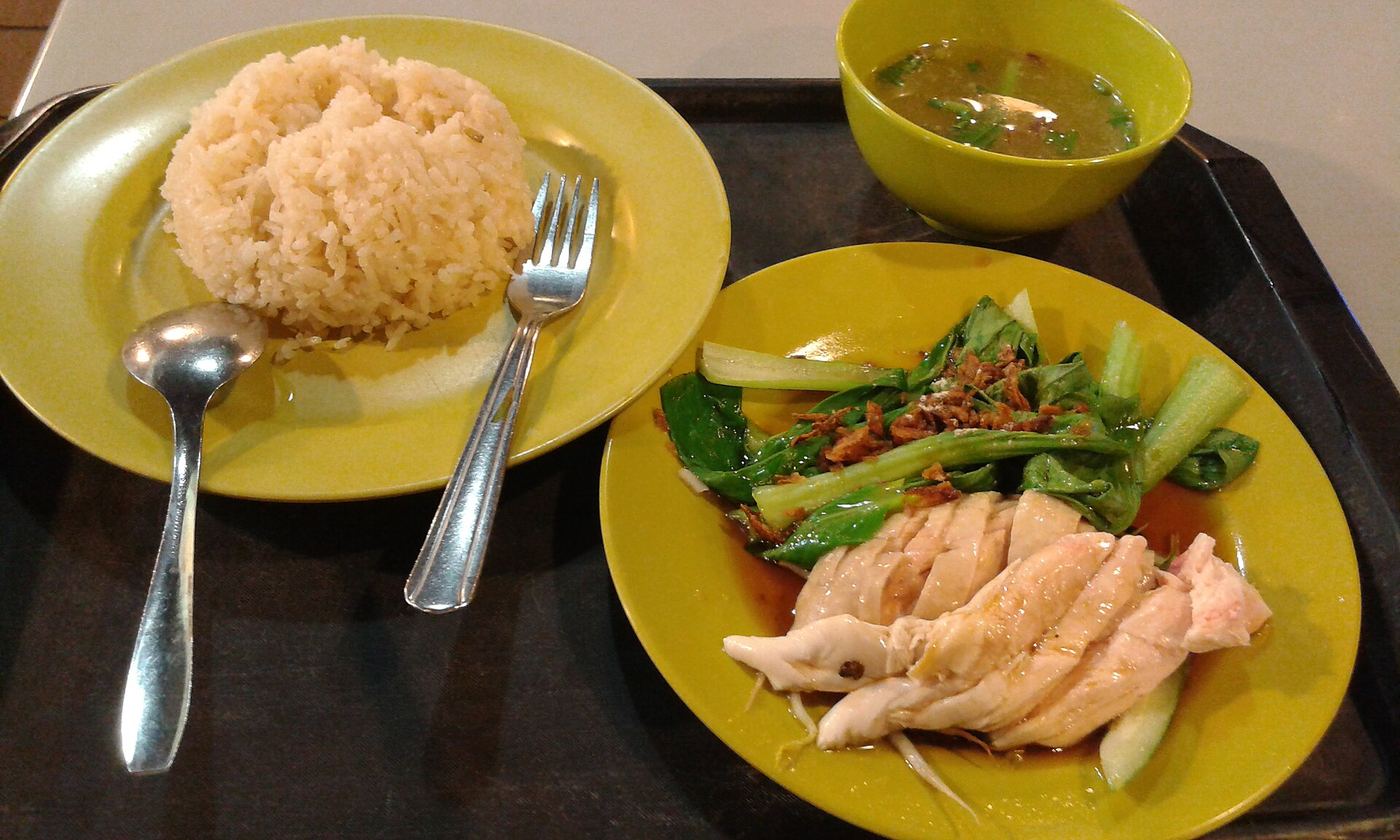
You order the usual. Butter crab. Cereal prawns. Kangkong. Fried rice. Two tiger beers for the adults. Barley for the children.
The bill comes. RM220. You don't flinch. RM220 for a seafood dinner for four is still impossible in Singapore, where the same meal would cost $180 or more. The value is still there. The value has always been the reason.
But "value" is a moving number. And the number is moving. The crab was RM48 last year and RM58 this year. The prawns were RM38 and are now RM45. The kangkong was RM12 and is now RM16.
The restaurant uncle explains, briefly, without being asked, because he can see you looking at the bill the way Singaporeans look at bills, which is carefully and with the specific alertness of people who track every dollar because every dollar was earned in a currency that's three times stronger and the strength is the whole point of being here.
"Cooking oil up. Gas up. Everything up. The prawn also more expensive now. Sorry ah, boss."
He's apologising for a war eight thousand kilometres away that closed a strait that raised the oil price that raised the gas price that raised the cost of running a fishing boat that raised the price of the prawn that's sitting on your plate right now, golden with cereal, still perfect, still correct, just more expensive.
The Strait of Hormuz is in your cereal prawns. You just can't see it.
The drive home is quiet.
The children are asleep. The boot is full of groceries. Your wife is looking at her phone, adding up the day, comparing it to last month, doing the mental accounting that every Singaporean household does on the drive back from JB: was it worth it?
Six months ago, the answer was obvious. Yes. Always yes. The savings justified the drive, the queue, the ten hours, the petrol, the checkpoint, the passports, the tired children, the Sunday spent recovering from Saturday.
Now the answer is slower to arrive.
The savings are still there. But they're thinner. The petrol costs more. The groceries cost more. The massage costs more. The seafood costs more.
And Singapore's costs haven't come down, which means the gap between the two countries is narrower, and the narrower the gap, the harder it is to justify the Causeway.
But you'll go again next Saturday. You know this. Your wife knows this.
Because the JB weekend was never just about the savings.
It was about the drive. The routine. The checkpoint you know by heart. The supermarket aisle your wife can walk blindfolded. The massage place with the green sign. The seafood uncle who remembers your order.
The children asleep in the back with ABC on their shirts and ringgit in the cupholder.
It was about the specific, weekly, cross-border exhale of a Singaporean family that works five days, saves five days, and spends one day in a country where the ringgit makes everything feel like it costs less, even when it doesn't, even when the gap is closing, even when the math says maybe this Saturday should be the last one.
The math won't win. Not yet.
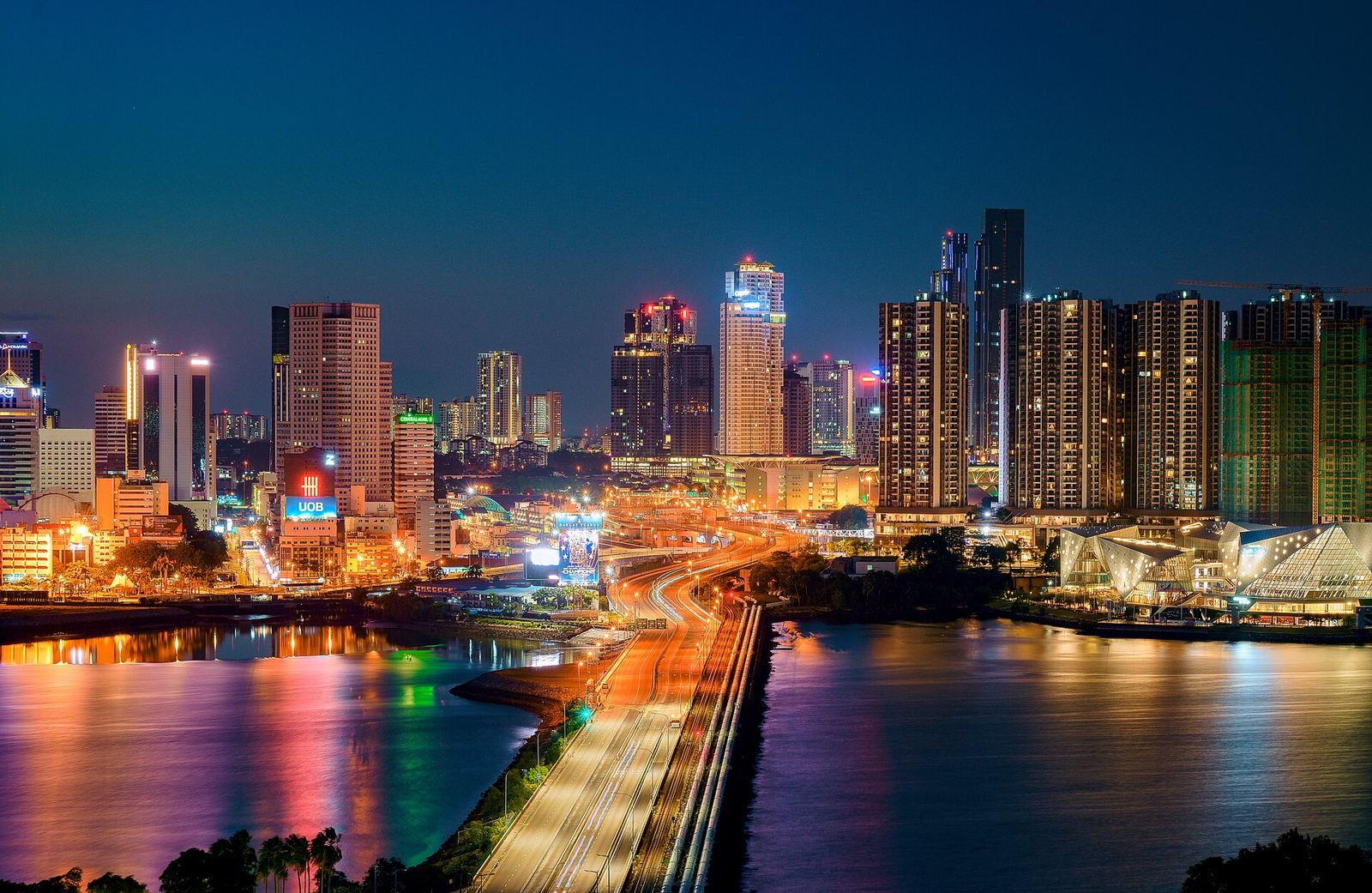
Because the drive home, with the boot full and the children sleeping and the causeway lights reflecting off the Strait of Johor, still feels like something no spreadsheet can capture.
It feels like Saturday.
And Saturday, for now, is still worth the drive.
3am Stories. Pass it on.