3am Stories, 2 March 2026
She Lied to Her Doctor for 8 Years
Part me. Part fiction. All love.
3am Stories...She lied to her doctor for 8 years...the reason might be too much for you....
This is the story of someone who met her...
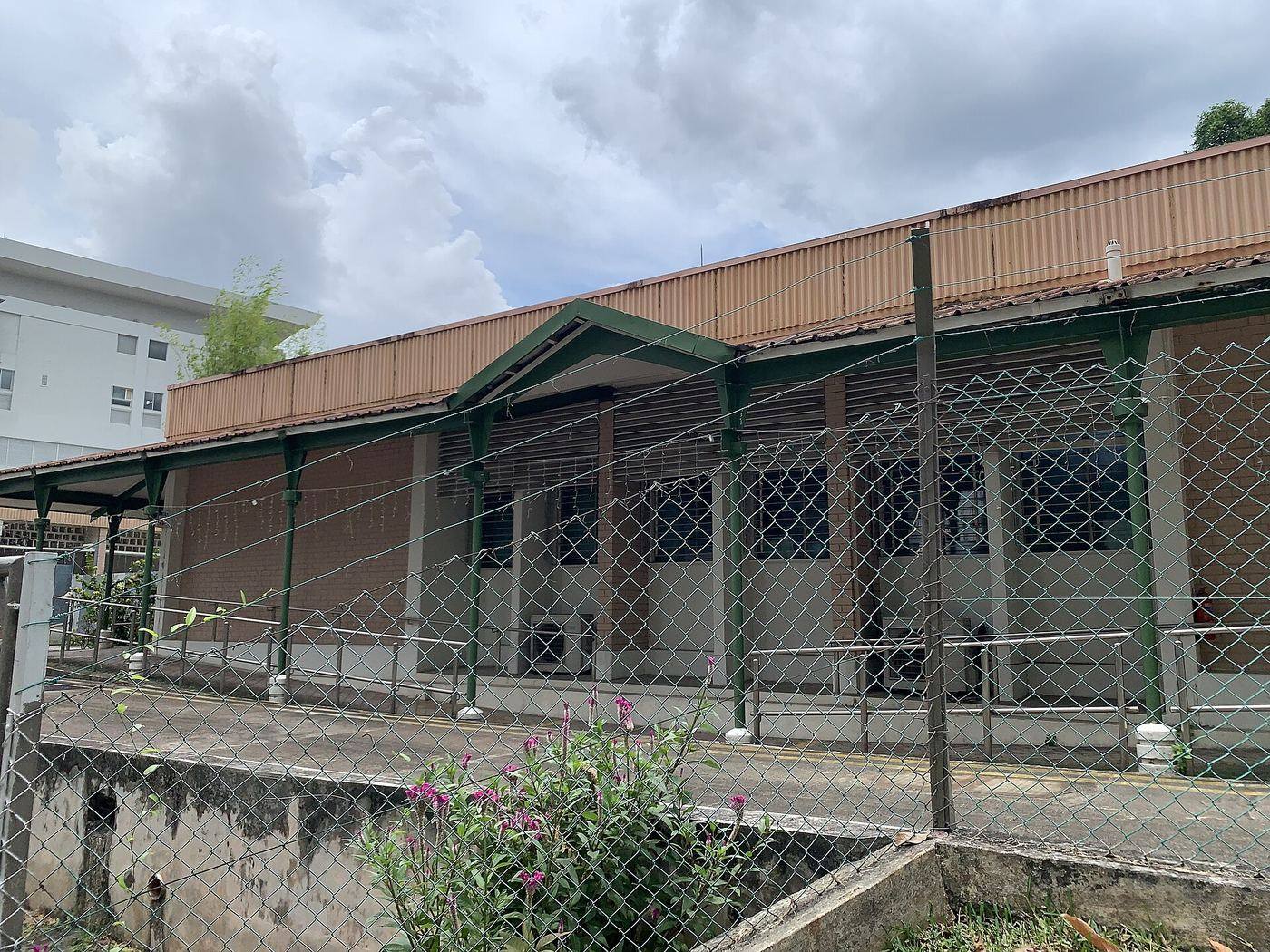
I was at Bukit Merah Polyclinic last Tuesday. Not for me. I was there to accompany a friend for a blood test. Routine thing. In and out.
While I was waiting, I started watching the room.
If you've never sat in a polyclinic waiting area at 8 AM on a weekday, let me tell you what it looks like. Rows of plastic chairs. A number system on a screen. The aircon set too cold. And old people. Rows and rows of old people. Sitting. Waiting. Most of them alone.
That's the part I couldn't stop looking at.
Alone.
Not one or two. Most of them. Sitting by themselves. Holding their queue number in one hand, their plastic bag of old medicine boxes in the other. Some had those trolley bags, the ones with wheels, the kind you see at NTUC. Some were reading newspapers. Some were just sitting there with their eyes half closed, not sleeping, just... enduring.
I started counting. Out of maybe forty, fifty people in that waiting area, I could count on one hand the ones who had someone with them.
Then I saw her.
...
She was small. The kind of small that happens when a body has been shrinking for years and nobody noticed because nobody was looking. White hair. Thin. She was wearing a floral blouse, the kind your grandmother owns seven of, all from the same Chinatown shop. Brown trousers. Black shoes, the flat kind with velcro straps because laces are too hard now.
She was holding a plastic folder. The kind you buy from Popular for sixty cents. Inside I could see papers. Lots of them. Appointment slips. Referral letters. Lab results. All arranged neatly. All by herself.
Her queue number was 2087. The screen said Now Serving: 2054.
She had at least thirty, forty minutes to wait. Maybe more.
She sat perfectly still. Hands on the folder. Back straight. Like she was in school. Like she was trying to take up as little space as possible.
I sat three chairs away. Scrolling my phone. The way everyone does.
Then I saw her take out a small notebook from the plastic folder. Blue cover. The kind you get from Daiso. She opened it and started reading. Not a novel. Not a magazine. It was her own handwriting.
I looked closer.
She had written questions.
In Chinese.
Neat characters.
Small. Careful.
Questions for the doctor.
I could make out a few lines. Things like: "Ask about the new medicine. Is it the same as the old one?" "The dizziness, is it from the blood pressure pill?" "Left knee more pain this month. Need referral?"
She had prepared for this appointment the way you'd prepare for an exam.
Because she had no one to remember for her. No one to sit in the room and say, "Doctor, she also has this problem." No one to listen when the doctor talks too fast and uses words she doesn't understand. No one to read the label on the medicine and make sure it's the right dosage.
Just her. And her notebook. And her sixty-cent folder.
I don't know why I did it. The same way you sometimes don't know why you turn your head at exactly the right moment to catch something you were meant to see.
I asked her for the time. I knew the time. My phone was in my hand. But I needed a way in.
"Auntie, now what time ah?"
She looked at me. Surprised. Like she'd forgotten other people could see her.
"Nine o'clock already," she said. Then she looked at the screen. "Still very long. Every time like that."
"You come here often?"
"Every month. Diabetes. High blood. Cholesterol. San gao (三高)." She laughed. Soft. "All the 'highs.' Only thing not high is my height."
Her name was Mdm Lim. She told me to call her Auntie Geok. Seventy-nine years old. Lived in a three-room flat in Tiong Bahru. Sixth floor. Alone.
She's been coming to this polyclinic every month for eleven years. Same polyclinic. Same plastic folder. Same notebook. Same routine.
Wake up at 6. Take the bus. Arrive by 7. Take a number. Sit. Wait. See the doctor. Go to the pharmacy. Wait again. Collect the medicine. Take the bus home. The whole thing takes four hours.
She does this alone.
Every single month.
For eleven years.
"Auntie, your children? They don't come with you?"
She went quiet. Not the angry kind. The kind where someone is choosing their words carefully because they've rehearsed this answer many times and they need it to sound okay.
"My son is in Punggol. Very far. He works. IT something. Very busy. He got two kids. The children got school, got tuition. His wife also working. Where got time?"
"And your daughter?"
"She's in Sengkang. Also far. She calls on Sunday. Sometimes. Short one. 'Ma, you eat already? Okay, take care ah.' Like that lah."
She paused.
"I don't want to trouble them. They got their own life. Last time I ask my son to come for one appointment. He took half day leave. I could see he was checking his phone the whole time. After that I never ask again."
She said it the way old people say things that break your heart. Without self-pity. Without anger. Just fact. The way you'd say "it's raining" or "the bus is late." Just something that is.
She told me about her husband. Passed eight years ago. Colon cancer. The polyclinic caught it too late because he'd been ignoring the symptoms for months. Didn't want to bother anyone.
"He also like that one. Don't want to trouble people. Pain also don't say. By the time we found out, already stage four. Six months only. I bring him to every appointment after that. Every single one. Sit beside him. Hold his hand in the doctor's room. Write down everything the doctor say because he too blur from the chemo to remember."
She looked at her notebook.
"After he go, I start doing the same thing for myself. Write down the questions. Write down what the doctor say. Because now nobody is going to do it for me."
Eleven years of notebooks. Every month. Questions on the left page, doctor's answers on the right. Medication changes highlighted in red pen. Appointment dates circled. Everything organised. Everything alone.
"You know what the hardest part is?" she said. "Not the waiting. Not the bus. Not even the medicine. The hardest part is when the doctor asks, 'Is there someone at home who can help you with this?' And I say yes. Every time I say yes. Because if I say no, they'll send the social worker. And if the social worker comes, my son and daughter will know. And they'll feel bad. And I don't want them to feel bad."
She lied to the doctor so her children wouldn't feel guilty.
Let that sink in.
She's seventy-nine years old. She takes the bus alone. She waits two hours alone. She sees the doctor alone. She carries her medicine home alone. And when the doctor asks if she has help, she lies. To protect the feelings of the children who aren't there.
Her number got called. 2087. She stood up slowly. Gathered her folder. Put the notebook on top. Ready.
"Auntie, you want me to come in with you?"
She stared at me. Like I'd said something in a language she hadn't heard in years.
"You don't have to."
"I know. But you prepared all these questions. Two ears better than one, right? I can help you remember what the doctor says."
She didn't say yes.
She didn't say no.
She just started walking toward the consultation room.
And I walked beside her.
I sat in the plastic chair next to her while the doctor went through her results. Blood sugar slightly high. Blood pressure slightly high. Cholesterol stable. Knee pain likely wear and tear, referral to physiotherapy. Medication adjusted. New pill added.
The doctor spoke fast. The way doctors do when they have forty more patients waiting outside. Not unkind. Just efficient. Polyclinic efficient.
Seven minutes.
Covers everything. Misses everything.
I watched Auntie Geok nod at each point. Politely. The way old people nod when they don't fully understand but don't want to waste the doctor's time. The way your mother nods when you explain something on her phone too quickly.
I asked the doctor to repeat the medication change. I asked about the side effects of the new pill. I asked if the dizziness she'd written about in her notebook could be related.
The doctor paused. Looked at the notebook. Looked at me. Then looked at her.
"Mdm Lim, this notebook is very good. You're very organised."
She smiled. Small. Proud.
After the consultation, we went to the pharmacy. Waited another forty minutes. I helped her check the medicine labels against what the doctor said. She had her red pen out. Updating the notebook.
When we were done, I walked her to the bus stop.
"Thank you ah," she said. "Today is the fastest I understand everything. Usually I go home and I look at the notebook and I cannot remember half of what he said."
"Auntie, next month, what date is your appointment?"
She opened the folder. Showed me. March 18. Tuesday.
"I'll come," I said.
She looked at me. Long time. Then she said something that hasn't left me since.
"You know ah, last time my husband was sick, I never miss one appointment. Not one. Every time I sit beside him. Every time I write everything down. I hold his hand when the doctor gives bad news. I ask the questions he too scared to ask."
Pause.
"After he die, I thought... when it's my turn, someone will do the same for me. Eight years now. Nobody has sat in that chair."
She pointed at the plastic chair in the consultation room. The one next to the patient. The one for family.
"Today first time in eight years, that chair is not empty."
I went home that night and I opened my mother's contact on my phone.
Last message from her: "Don't forget to eat." Three weeks ago.
Last message from me: Thumbs up emoji.
I didn't call her. Not yet. I did something else first.
I texted her: "Ma, when is your next doctor appointment?"
Three dots appeared. Disappeared. Appeared again. Like she was confused by the question.
"Why you ask?"
"I want to come with you."
Long pause.
"Don't need lah. I can go myself."
"I know you can. I want to come."
Longer pause.
"Next Thursday. Bedok Polyclinic. 9am."
"I'll be there."
Then she sent something she hasn't sent in years. Not "okay." Not "don't need." Not a thumbs up.
She sent: "Really ah?"
Two words.
And I could hear everything underneath them.
The surprise. The hope she's afraid to feel. The years of going alone and telling herself it's fine.
"Really, Ma."
"Okay. I wait for you at the bus stop downstairs. Don't be late ah."
She was already planning where to meet me. She replied in four seconds. She was ready.
She's been ready. She was just waiting for someone to ask.
==========================
There are 87,200 elderly Singaporeans living alone. About 40% of seniors have at least three chronic conditions. They visit polyclinics every month. Some take two buses. Some can barely walk. Most of them go alone.
They sit in plastic chairs for two hours. They see the doctor for seven minutes. They nod politely at instructions they don't fully understand. They collect bags of medicine with labels they can barely read. And they go home.
Alone.
Their children are in Punggol. In Sengkang. In Woodlands. In Tampines. Thirty minutes away by MRT. A million miles away in practice.
And the worst part? They never ask for help. Not because they don't need it. Because they've learned that asking makes them a burden. Because the last time they asked, their son checked his phone the whole time. Because they'd rather lie to the doctor than make their children feel bad.
That's not independence. That's loneliness wearing a brave face.
Here's what I want to ask you.
Do you know your mother's polyclinic?
Not "she goes to the doctor sometimes." I mean, do you know which polyclinic? Which floor? Which department? Do you know her queue number routine? Do you know if she takes the 7 AM bus or the 8 AM one?
Do you know her doctor's name?
Do you know her medication? Not "she takes some pills." The names. The dosages. When she takes them. Whether the doctor changed anything last month.
Do you know if her blood pressure is stable? If her sugar is under control? If her knees hurt when she climbs the stairs? If she gets dizzy when she stands up too fast?
If you don't know any of this, here's the uncomfortable truth.
Your mother is managing her health alone. She's making decisions about her body, her medication, her future, in a seven-minute consultation with a doctor she sees once a month, and you don't even know what day it happens.
She has a notebook. Or a folder. Or a plastic bag full of appointment slips she keeps by the phone. She figured out the system herself. She takes the bus herself. She waits herself. She nods at the doctor herself. She carries the medicine home herself.
And when the doctor asks, "Is there someone at home who can help you?" she says yes. Because she loves you more than she loves the truth.
You don't have to move in with your parents. You don't have to give up your job. You don't have to rearrange your life.
Just go. Once. To the next appointment.
Take half a day off. It's half a day. You take half days for dentist appointments and car servicing and furniture deliveries. Take one for the person who raised you.
Sit in the plastic chair. The one next to her. The one that's been empty for years. Bring a pen. Write down what the doctor says. Ask the questions she's too polite to ask. Check the medicine labels before you leave.
And on the bus home, just sit with her. You don't have to say anything deep. Just be there. Let her hold the plastic bag of medicine on her lap and tell you about the aunty in the waiting room who was wearing the same blouse as her. Let her complain about the waiting time. Let her talk about nothing.
That's not nothing. That's everything.
Because one day you're going to open her drawer and find a stack of notebooks. Blue cover. Daiso. Eleven years of questions written in neat handwriting, left page and right page, red pen for the important parts.
And you'll realise she was never fine. She was just brave. And organised. And alone.
And the chair was always empty.
Don't wait for the drawer. Don't wait for the notebooks. Don't wait to find out what she carried by herself all those years while you were thirty minutes away, sending thumbs up emojis and calling it love.
Go sit in the chair.
Next appointment.
Yours to keep.
...
3am Stories by Alvin Huang Pass it on.