The Origin, 10 July 2026
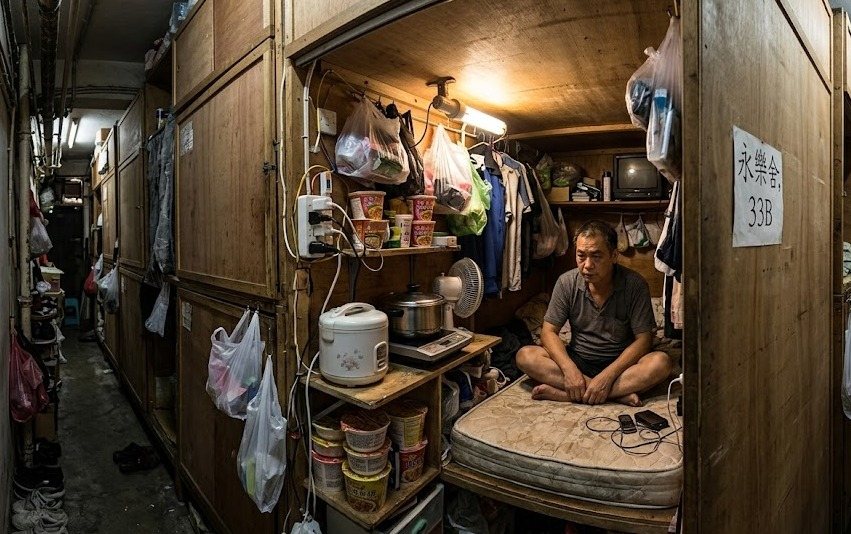
In the year 2000, a man's body was found in his apartment in Japan. He was 69 years old. He had been dead for three years.
His rent had been paid every month. His electricity and water bills had been settled on time. His bank account had been quietly debiting each charge, month after month, for 36 months. Nobody came to the door. Nobody called or checked.
It was only when his savings ran out and the payments stopped that anyone noticed something was wrong.
By then, all that was left was a skeleton.
The Japanese have a word for this. They call it kodokushi.
It means "lonely death." A person dies alone in their home and isn't found for days. Or weeks. Or months. Or, in the worst cases, years.
In 2024, over 76,000 people died alone in their homes across Japan. That's 208 people a day. More than seven thousand of them weren't found for over a month. Over a hundred weren't found for more than a year.
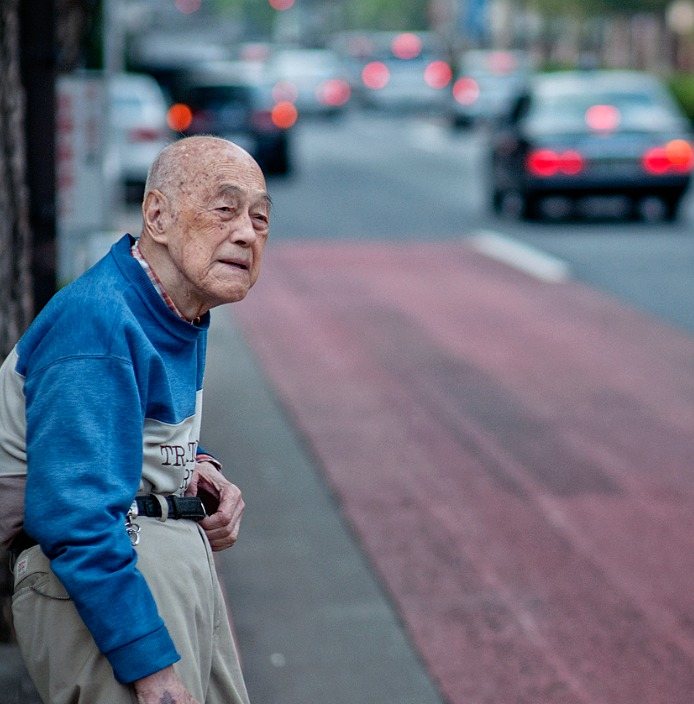
Seventy-six percent were aged 65 or older. Most were men. Men are 3.8 times more likely than women to die alone and remain undiscovered. Many were unmarried. Many had no children. Some had children who lived in other cities and hadn't called in months.
Only 38.9 percent of elderly Japanese who live alone talk to another person on a daily basis.
The rest go days without hearing a human voice.
Japan is the oldest country on earth.
Thirty percent of its population is over 65. Nearly one in five seniors lives alone. The birth rate is so low that the country is literally shrinking. There aren't enough young people to support the old. Family ties that once held Japanese society together have weakened as children move to cities and parents stay behind.
And so people disappear. Quietly. Behind closed doors. In apartments where the bills pay themselves.
A whole industry has grown around what happens after.
They're called tokushu seiso. Special cleaners. Their job is to enter the apartment after the body has been removed and clean what remains.
Decomposition stains floors and walls. Body fluids seep into tatami mats and floorboards. The smell can last for weeks. Insects colonise the space. In summer, when temperatures inside a closed apartment can reach 40 degrees, decomposition accelerates to the point where neighbours finally notice.
That smell is often how a lonely death is discovered. Not a phone call or a visit or a welfare check. A smell.
The cleaners remove everything. Furniture, belongings, clothing, bedding. They scrub and disinfect every surface. In some cases, the floor must be torn out and replaced entirely. Some tokushu seiso workers perform Buddhist rites before they begin, offering prayers for the person who died in the room they're about to strip bare.
A cleaner named Miyu Kojima took it further. She began building miniature dioramas of the rooms she cleaned. Tiny replicas, in exact detail, of the cluttered, stained, lonely spaces where someone's life ended without anyone knowing. She builds them to make people see what she sees. To make the invisible visible.
These apartments become what Japan calls jiko bukken.
Stigmatised properties. Landlords are legally required to disclose that a death occurred inside. Rents drop 20 to 50 percent. Some apartments sit empty for years. In a country with a housing shortage, apartments that someone died in become harder to fill than apartments with structural damage.
The death follows the address. Even after the body is gone and the floors are new, the apartment carries the weight of what happened there.
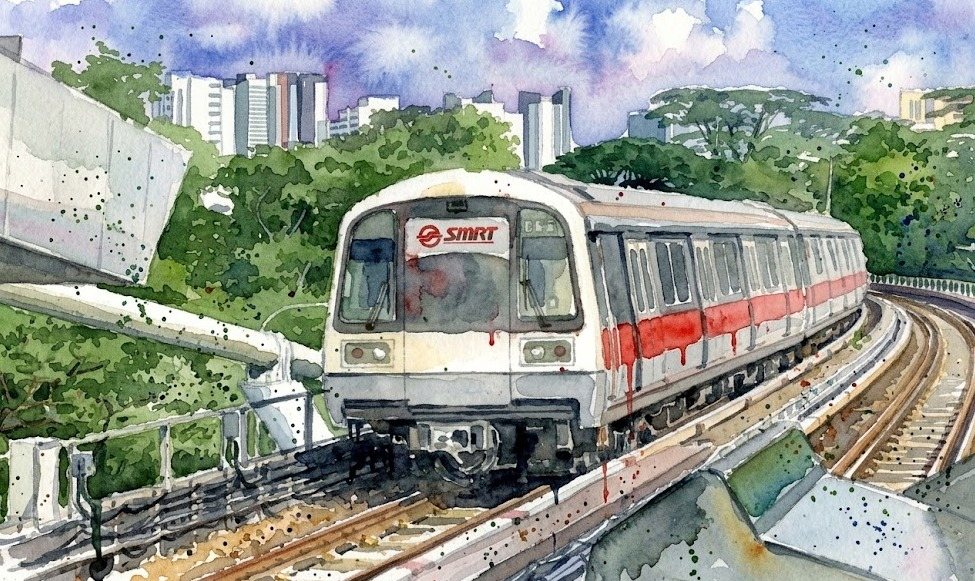
Singapore is heading in the same direction. Demographically.
By 2030, one in four Singaporeans will be 65 or older.
The number of elderly living alone is rising. Families are getting smaller. More people are choosing not to marry. The structural conditions that created kodokushi in Japan are forming here too.
But Singapore has something Japan doesn't.
HDB corridors.
This sounds small. It isn't. The design of an HDB flat means you share a corridor with your neighbours. You see them at the letterbox. You hear them through the walls. You notice when the lights are off for too long or when the newspapers pile up at the door.
Void decks give people a reason to sit downstairs.
Residents' Committees knock on doors. The Silver Generation Office does welfare checks. Community Care Apartments are being built with elderly monitoring in mind. The entire housing system is designed, whether by accident or intention, to make it hard for someone to disappear completely.
In a Tokyo apartment, you can die and your bank account will keep paying your rent for three years. In an HDB flat, your neighbour will knock after two days of silence because your lights were off and they hadn't seen you at the market.
That knock is the difference.
Japan is not a cautionary tale about bad people. It's a cautionary tale about broken systems.
Japanese families love their parents the way Singaporean families do. Japanese people are kind, community-minded, and respectful of their elders. What failed isn't the culture. What failed is the infrastructure of connection. The physical spaces. The systems that bring people together without asking them to try.
Singapore built those systems into its housing. Japan built privacy into its apartments. One design assumes you'll be seen. The other assumes you want to be left alone.
Both were well-intentioned. One leads to 76,000 people dying without anyone noticing.
I think about this sometimes. Not as a statistic. As a question.
If I stopped answering my phone tomorrow. If I stopped showing up at the kopitiam. If my lights stayed off for a week.
How long before someone knocked?
In Singapore, I think the answer is 2 days. Maybe 3.
In Tokyo, for 76,000 people last year, the answer was: nobody ever did.
The question isn't whether we'll age. We will.
The question is whether anyone will notice.