Founders, 9 September 2026
He was 13 years old, standing behind his family's fishball noodle stall, and that was the beginning of a US$150 million food company.
Tan Kim Siong didn't grow up dreaming of boardrooms.
He grew up in hawker centres.
As a teenager, he helped at his family's Teochew fishball noodle stall and worked as an assistant at neighbouring stalls to earn extra money.
At 15, he dropped out of school to work full-time as a cook at a fishball noodle stall in Bukit Batok.
He loved it. W
ith his uncle's help, Kim Siong eventually opened his own fishball noodle stall in Boon Lay.
But after 2 years, National Service pulled him away and he had to sell it. After completing NS, he opened another stall, this time in Telok Blangah, and kept building.
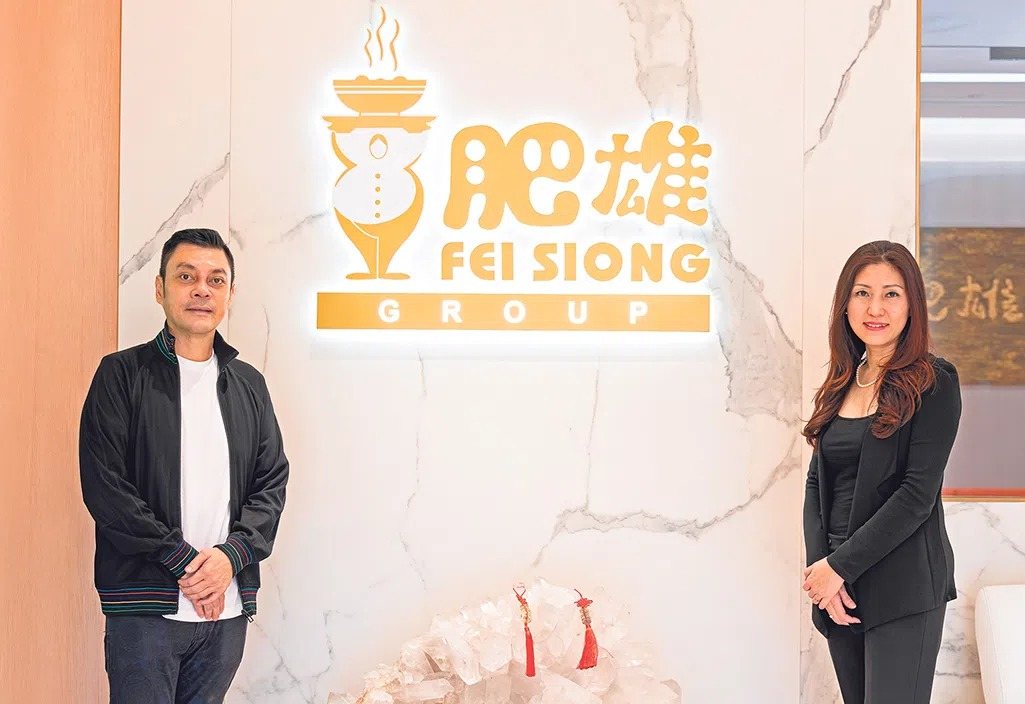
In 1995, he rented a stall at the hawker centre outside the former National Library on Stamford Road. That stall became the founding outlet of Fei Siong Group.
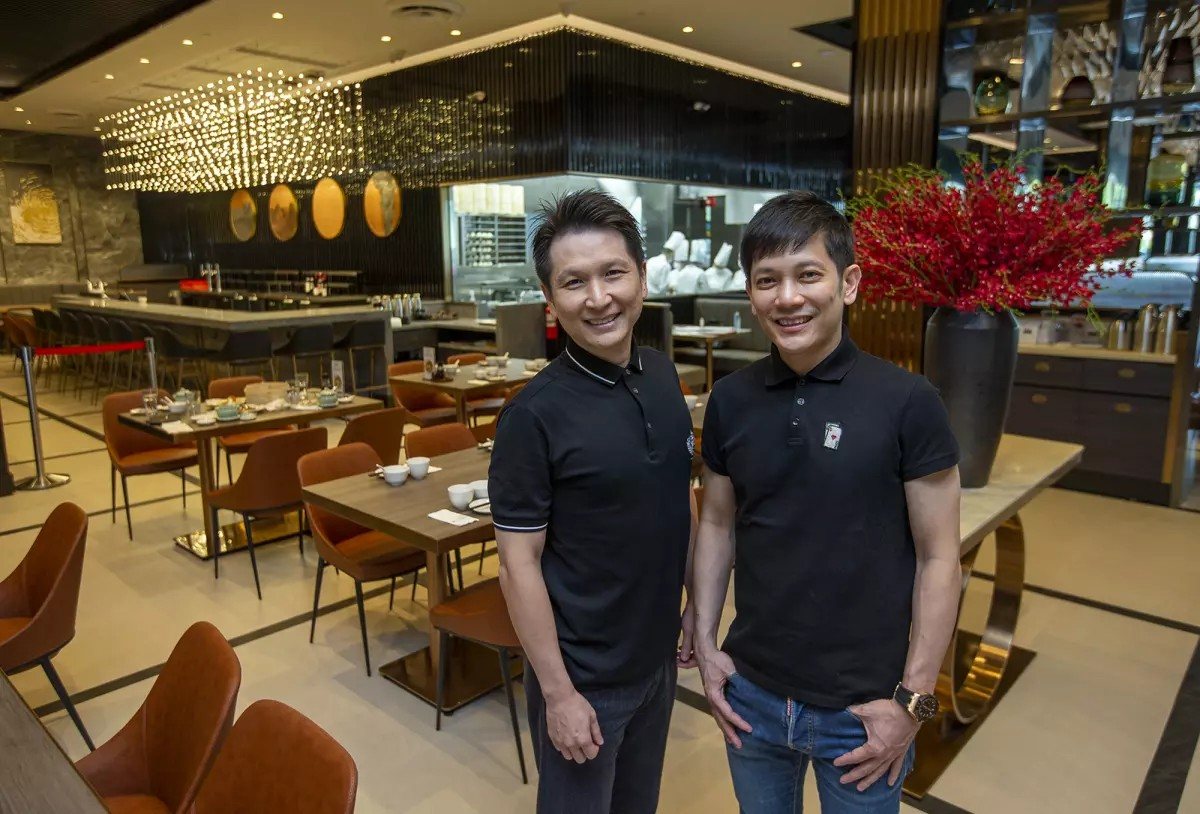
A second outlet followed in Woodlands the next year. By 2000, he had about 10 outlets, and his brothers Tan Kim Beng and Tan Kim Leng had joined the business. The fishball noodle stall was becoming a company.
Then Kim Siong noticed something.
Singaporeans were driving across the Causeway into Johor Bahru just to eat.
The traffic, the customs, the hours of waiting, all for hawker food they couldn't get at home. He had a simple idea: bring the food here instead.
He approached Malaysian hawkers and asked them to relocate to Singapore. They said no.
Kim Siong, his brother Kim Leng, and their team spent months tracking down Malaysian hawkers and persuading them to share their recipes.
They trained under the hawkers for weeks, waking early to learn preparation methods.
One hawker was so impressed by their sincerity that he arranged a dinner with several others, where deals were struck, and that effort became the foundation of Malaysia Boleh!, a self-operated food atrium that brought Malaysian hawker food to Singapore without requiring the hawkers themselves to move.
Malaysia Boleh! became one of Fei Siong's most recognised brands, and Tourism Malaysia later named it an Honorary Partner. Kim Siong had found a way to solve a cross-border problem without crossing the border.
Over the following years, Fei Siong expanded into more than 20 brands. EAT became a pioneer hawker brand in retail malls, and Nam Kee Pau brought Johor Bahru's famous steamed buns to Singapore. In 2014, Encik Tan launched at Kallang Wave Mall, a concept Fei Siong describes as its first halal-certified mini food atrium, adapting familiar Chinese hawker dishes with halal ingredients.
In late 2020, Boleh Boleh! debuted at Clementi Mall as a pork-free spin-off of Malaysia Boleh!, later developing into one of the group's halal-focused food atrium concepts.
But the detail that separates Kim Siong from every other F&B founder in the series is this: Fei Siong doesn't just run restaurants. It runs government hawker centres.
Through Fei Siong Social Enterprise, the group operates hawker centres under NEA's socially-conscious enterprise model, currently managing Ci Yuan, Buangkok, Woodleigh Village, and Bukit Batok West.
These aren't branded food courts.
They're public hawker centres, the kind where uncles eat kway teow at plastic tables and grandmothers order kopi-o from stallholders they've known for a decade.
In 2015, Fei Siong launched an entrepreneurship programme at Ci Yuan Hawker Centre to train young people to become hawkers, offering a monthly salary of S$3,000 for the first three months before they struck out on their own.
The response was so overwhelming the programme had to be suspended.
Today, Fei Siong Group operates more than 205 outlets across 20 brands. In FY2024, revenue reached S$210 million, and the group says it is targeting S$400 million by 2030.
The boy who helped at his family's fishball noodle stall at 13 now runs one of Singapore's largest casual dining and hawker food companies.
Tan Kim Siong never left the hawker model behind, and that's the detail that matters most.
Even as Fei Siong moved into malls, food atriums, franchise brands like Popeyes, and overseas expansion plans, Kim Siong kept the hawker model at the centre of the group: familiar food, fast service, affordable prices, repeatable operations. He scaled the model instead of abandoning it.
If you run a business, the Malaysia Boleh! story is the lesson. When the Malaysian hawkers refused to relocate, the Tan brothers didn't give up.
He reframed the problem: if the people won't move, maybe the recipes will. That dinner with the hawkers, arranged by a man who was impressed by his sincerity, is a masterclass in negotiation. Sometimes the deal isn't the one you pitched.
It's the one that emerges when you're honest about what you actually need.
And if you're not a business owner, Kim Siong's story is the most direct challenge to the idea that dropping out of school means falling behind.
He left school at 15, started selling noodles, and never stopped. And the hawker centres where he grew up are now the hawker centres his company manages under the government's social enterprise framework.
He didn't leave the kitchen. The kitchen became the company.