The Figure, 20 June 2026
Every time you pay GST in Singapore, you're paying a tax introduced by a chemist.
Not an economist.
Not a banker.
A man who studied molecules at Berkeley, earned his PhD in chemical engineering at Birmingham, lectured at Manchester, and ran Shell's operations in Malaysia and Singapore before the government asked him to run the nation's finances.
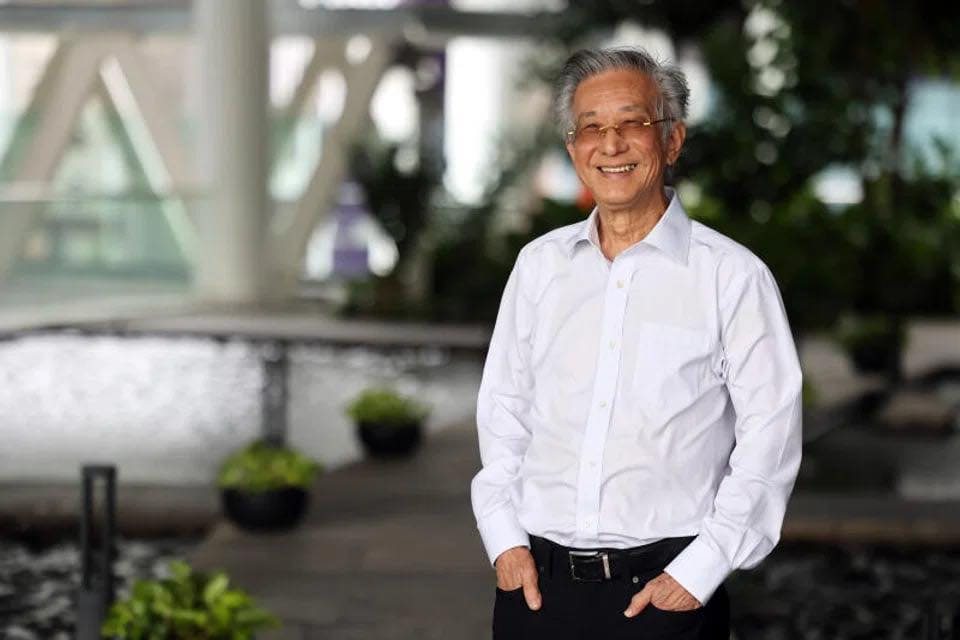
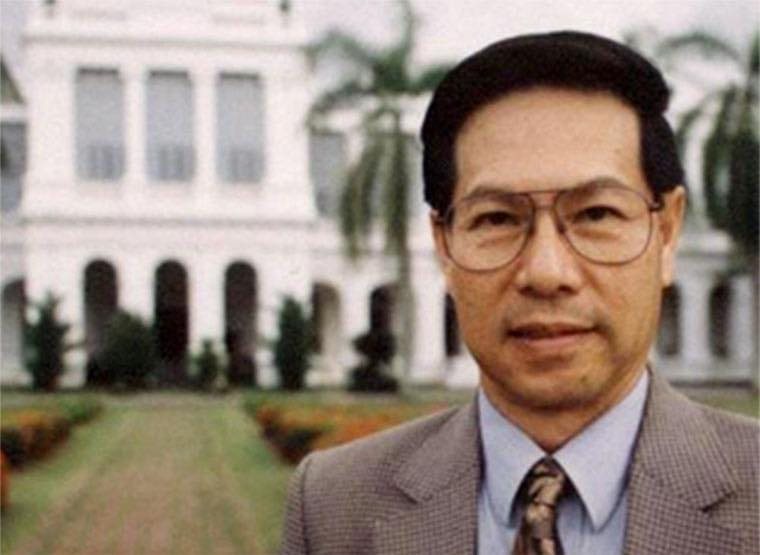
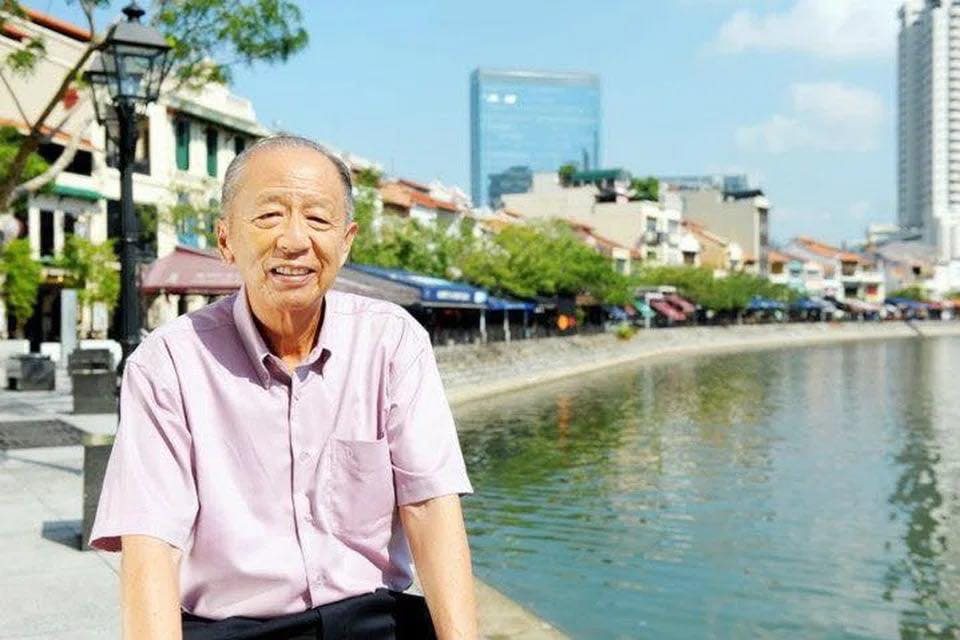
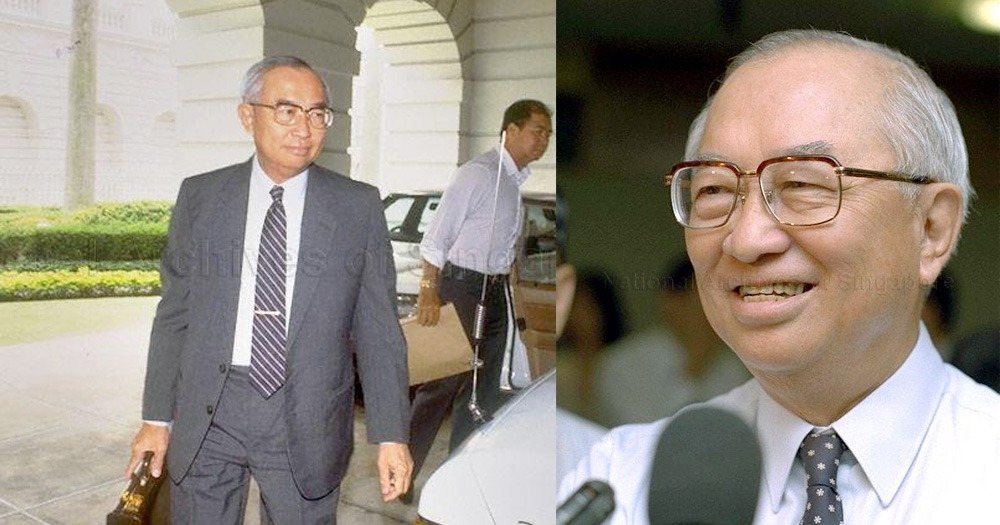
Richard Hu Tsu Tau was Singapore's longest-serving Finance Minister: 16 years, 16 Budget speeches, and a tenure that reshaped how the country collects, manages, and grows its money.
He was born on October 30, 1926, in Singapore.
He attended Anglo-Chinese School, then won a place at the University of California, Berkeley, where he graduated with a degree in chemistry in 1952.
He continued to the University of Birmingham for his PhD in chemical engineering, completing it in 1957.
For the next three years, he lectured at the University of Manchester. Then he came home.
In 1960, he joined the Shell group in Singapore.
Over the next 15 years, he rose through the ranks to become Chairman and CEO of Shell's operations in Malaysia in 1975 and Singapore in 1977.
He was running one of the world's largest oil companies' regional businesses before most politicians had even entered Parliament.
From 1970, he served on the board of the Monetary Authority of Singapore. In 1983, he became MAS Managing Director and a director at the Government Investment Corporation. In 1984, he entered Parliament.
The seat he won was Kreta Ayer, Chinatown. The man he succeeded in that constituency was Goh Keng Swee.
That's not a coincidence.
Goh Keng Swee built Singapore's economic architecture: the budget system, the currency, the reserves, the industrialisation strategy.
When Goh stepped down from Kreta Ayer in 1984, the man who took his seat also took his chair at MAS and, a year later, the Finance Ministry.
The architect of Singapore's economy handed the keys to Richard Hu, and Hu held them for 16 years.
In 1985, he became Minister for Finance and Chairman of MAS simultaneously.
He was responsible for both the government's fiscal policy and the country's monetary policy at the same time, a concentration of financial authority that few democracies would allow.
During his tenure, he introduced the Goods and Services Tax in 1993, the most significant structural tax reform in Singapore's history. GST allowed the government to shift revenue away from direct taxation and broaden the tax base, funding social spending without penalising income earners disproportionately.
It remains the backbone of Singapore's fiscal architecture.
He also cut the top marginal income tax rate from 55% in the 1980s to 22% by 2001. That reduction is one of the reasons Singapore became competitive for global talent and multinational headquarters.
Then came 1997.
The Asian Financial Crisis swept through Thailand, Indonesia, Malaysia, and South Korea.
Currencies collapsed, stock markets crashed, and governments fell. Singapore held.
Richard Hu was Finance Minister and had been MAS Chairman through the build-up.
The fiscal discipline he had enforced, the reserves he had accumulated, and the regulatory framework he had strengthened meant that Singapore entered the crisis with enough armour to survive it.
DPM Lawrence Wong, paying tribute after Hu's death in 2023, called it a "steady hand."
Richard Hu retired from politics in 2001 at the age of 75. He was succeeded as Finance Minister by Lee Hsien Loong. He passed away on September 8, 2023, at the age of 96.
Here's what I think about when I think about Richard Hu, a scientist who ran a country's finances for 16 years.
That's not a contradiction.
Chemistry teaches you that systems have rules, that reactions have consequences, and that stability requires balance.
Those are the same principles that govern fiscal policy, monetary regulation, and economic crisis management.
The GST he introduced in 1993 is still the foundation of Singapore's revenue system.
The income tax cuts he implemented still make Singapore globally competitive, and the financial stability he maintained through the Asian Financial Crisis still defines how the world sees Singapore's fiscal credibility.
A chemist from Berkeley, a Shell executive, sixteen Budget speeches, and the steady hand that kept Singapore's finances intact when every neighbour's economy was burning.
He held the keys for 16 years and gave them back with more in the vault than when he started.